Nicotine pouch strength: why the same rating can feel different
What strength really refers to
Nicotine pouches are small portions placed under the lip, where the nicotine is released into the mouth and absorbed through the oral tissue. The number printed on a tin usually describes the nicotine content of each pouch, often shown in milligrams. A product labelled as light nicotine pouches is generally positioned at the lower end of a brand's range, but the label alone does not describe the whole experience.
Two pouches with the same stated amount can feel different because strength is only one part of the picture. The size of the pouch, how tightly it is packed, how moist it feels, the flavouring, and the materials used all affect how quickly nicotine becomes available. A slim pouch may feel gentler simply because less material sits against the gum, while a larger pouch can feel more present even when its stated content is similar.
Nicotine release is also shaped by the pouch itself. Some products are designed to give a slower, steadier release. Others may feel more direct from the start. That is why people moving between brands sometimes find that a familiar strength rating behaves differently. The number gives a starting point, not a promise of identical sensation.
Why one person feels more than another
Tolerance is one of the biggest reasons. Regular nicotine use can change how noticeable a dose feels. Someone who uses nicotine often may find a lower strength subtle, while someone who uses it rarely may find the same pouch more obvious. Tolerance can also shift over time, so a product that felt suitable for a while may later feel too mild or too strong.
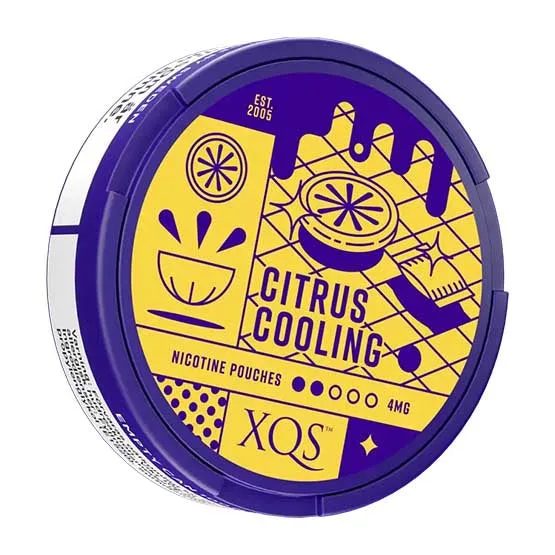
Body chemistry plays a part too. Absorption through the mouth varies between people, and everyday factors can affect perception. Eating, drinking, oral hygiene, saliva levels, and how long a pouch is left in place can all change how intense it feels. Placing a pouch in a different part of the mouth may also alter the sensation, although comfort should always come first.
Expectation matters as well. If a person expects a light option to be barely noticeable, any clear effect can feel surprising. If they expect a strong effect from a high number, a slower release may feel weaker than anticipated. The language used on packaging can shape that expectation before the pouch is even used.
This is where strong nicotine pouches can be misleading as a comparison point. A higher rated product may seem harsher to one person and manageable to another, depending on tolerance, pouch design and release. People comparing ranges by strength alone can miss these practical differences.
The role of pouch size and format
Pouch size affects both contact area and comfort. A mini pouch sits in a smaller space and may be easier to forget about, but it can also feel more concentrated for some users. A slim pouch spreads material differently and often feels less bulky. Neither format is automatically better, because the right choice depends on comfort, mouth shape and personal preference.
The amount of filler in a pouch matters as much as its outside dimensions. A small pouch with dense contents can feel more intense than a larger one that releases nicotine gradually. Moisture level also changes the experience. A drier pouch may take longer to feel active, while a wetter one can seem more immediate. Flavour can add to that impression, especially mint or cooling flavours that create a sharp sensation unrelated to nicotine itself.
For adults comparing light nicotine pouches with other options, it helps to separate nicotine effect from flavour sensation. A cooling flavour can feel powerful without meaning the nicotine content is high. A mild flavour can make a pouch seem softer, even when the stated strength sits higher in the range.
How to read a strength rating sensibly
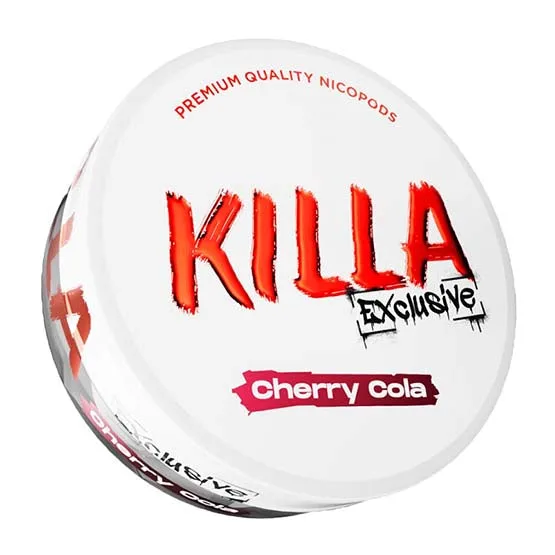
A strength rating is useful when treated as a rough map. It can show where a product sits within a brand's range and help narrow down choices. The same rating across different brands may not line up perfectly, because manufacturers use their own formats, ingredients and release profiles.
When comparing products, look beyond the headline number. Check the nicotine content, pouch size and format, then think about the flavour and how noticeable you want the experience to be. If a product feels uncomfortable, there is no benefit in pushing through it. A lower strength, a different format or another flavour profile may be more suitable.
It also helps to avoid judging a pouch after only a few minutes. Some products build gradually, and the first sensation may not be the full effect. At the same time, leaving a pouch in place for longer than comfortable can make it unpleasant. A moderate approach is usually easier to assess than moving quickly from one strength to another.
What this means for choosing
Differences between users are normal, and they do not mean someone has chosen incorrectly. Nicotine pouches interact with personal tolerance, mouth conditions, product design and expectations. A rating gives useful context, but the felt experience is more individual than a single number suggests.
For adults aged 18 and over, the practical approach is to start with the lower end of a range, pay attention to comfort, and adjust only when there is a clear reason. Keeping track of the format, strength rating and flavour can make future choices easier. Over time, patterns often become clear: some people prefer smaller pouches, some notice release speed more than content, and some find flavour intensity the deciding factor.
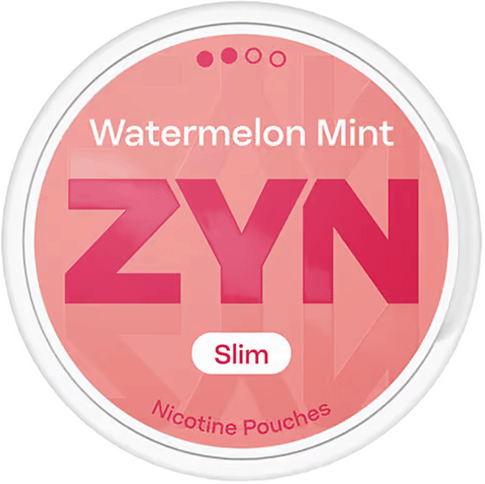
Light nicotine pouches can be a sensible part of that comparison when the aim is a gentler starting point. Strong nicotine pouches may feel different from the number on the tin suggests, particularly when moving between brands or formats. Reading the details and respecting personal comfort gives a better guide than assuming every strength rating will feel the same.
A final point on safety
Nicotine is addictive and is not safe for everyone. Nicotine pouches are intended for adults aged 18 and over. They are not suitable for children, young people, pregnant or breastfeeding women, or people who do not already use nicotine. Keep all nicotine products out of reach of children and pets, and follow the manufacturer's directions for use.